

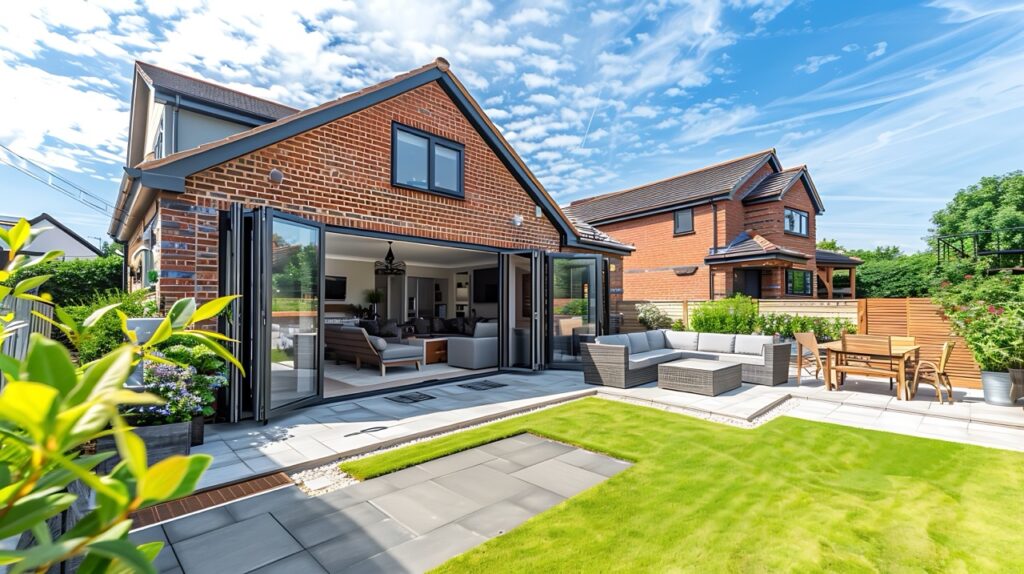
If you’re planning new windows, aluminium sliding doors, rooflights, balustrades or a full extension, understanding the different types of glass available is essential. Glass is no longer just a transparent material that lets light in — it now plays a major role in insulation, security, sound reduction, solar control and even fire resistance. Types of Glass Explained: The Ultimate UK Guide to Every Glass Type for Homes & Buildings (2026)
In the UK market, choosing the correct glazing specification can dramatically impact:
Energy bills
Comfort levels
Property value
Security
Compliance with Building Regulations
This in-depth guide explains every major type of glass used in residential and commercial buildings across the UK. It is written to rank nationally and cover high-intent keywords such as:
Types of glass
Glass types for windows
Toughened vs laminated glass
Best glass for sliding doors
Energy efficient glazing UK
Acoustic glass for homes
By the end, you’ll understand exactly which glass type is right for your project.
Why Choosing the Right Type of Glass Matters
Modern glazing is one of the most technically advanced elements of a building. In older properties, single glazing allowed significant heat loss, condensation and noise penetration. Today’s glass technologies combine multiple layers, coatings and interlayers to deliver high performance across several categories at once.
The right choice of glass affects:
Thermal performance (U-value)
Solar gain
Safety compliance
Structural strength
Noise insulation
Privacy
Maintenance requirements
For national homeowners comparing quotes, understanding these differences prevents overspending on unnecessary upgrades — or worse, under-specifying critical safety glass.
Float Glass (Annealed Glass)
Float glass is the foundation of almost all modern glazing. Manufactured by floating molten glass across molten tin, it produces a smooth, flat surface with consistent thickness.
This is the most basic form of glass and is typically used internally where safety and structural strength are not concerns.
It is inexpensive and easy to cut, but it has a major drawback: when broken, it shatters into sharp, dangerous shards. For that reason, float glass is rarely used in modern exterior windows or doors without further treatment.
Float glass is still commonly found in:
Picture frames
Internal cabinet doors
Shelving
Decorative panels
While it forms the base of most processed glass types, it is not suitable for safety-critical applications in UK homes.
Toughened Glass (Tempered Glass)
Toughened glass, also known as tempered glass, is heat-treated to significantly increase its strength. It is up to five times stronger than standard float glass.
During manufacturing, the glass is heated to over 600°C and rapidly cooled. This creates surface compression, making it far more resistant to impact and thermal stress.
When broken, toughened glass shatters into small, blunt fragments instead of sharp shards. This makes it compliant with UK safety glazing regulations in critical locations such as:
Sliding patio doors
Bifold doors
Shower screens
Glass balustrades
Rooflights
Large window panels near floor level
Because of its strength and safety properties, toughened glass is now standard in most aluminium sliding doors and modern glazing systems.
However, once toughened, the glass cannot be cut or altered. All sizing must be finalised before the tempering process.
Laminated Glass
Laminated glass consists of two or more panes bonded together using a polyvinyl butyral (PVB) interlayer. This interlayer holds the glass together if shattered.
Unlike toughened glass, laminated glass does not fall apart when broken. Instead, cracks form but the pane remains intact. This provides enhanced security and safety.
Laminated glass is widely used where security and impact resistance are critical, including:
Ground floor windows
Shopfronts
Overhead glazing
Skylights
Security doors
It also offers strong acoustic insulation because the interlayer dampens sound vibrations.
In security-focused applications, laminated glass is often combined with toughened outer panes to deliver both impact resistance and retention strength.
Double Glazing
Double glazing refers to a sealed unit made of two panes of glass separated by a spacer bar. The cavity between panes is usually filled with argon gas to improve insulation.
Double glazing is now standard across UK residential construction. It dramatically reduces heat loss compared to single glazing and helps meet Building Regulations.
The performance of a double glazed unit depends on:
Glass thickness
Gas fill
Spacer bar type
Coatings applied
Modern double glazing typically achieves U-values between 1.2 and 1.6 W/m²K.
Compared to single glazing (around 5.0 W/m²K), this represents a substantial improvement in thermal efficiency.
Triple Glazing
Triple glazing adds a third pane of glass, creating two insulating cavities.
It is commonly used in:
Passive houses
Highly energy-efficient new builds
Northern UK climates
Low-energy developments
Triple glazing can achieve U-values as low as 0.8 W/m²K, depending on specification.
However, triple glazing is heavier and more expensive. In many standard UK homes, high-quality double glazing with Low-E coating can offer similar comfort benefits at lower cost.
Low-Emissivity (Low-E) Glass
Low-E glass features a microscopic metallic coating that reflects heat back into the room while allowing light to pass through.
This coating significantly improves energy efficiency by reducing radiant heat loss during colder months.
Low-E coatings are now standard in almost all modern double and triple glazed units in the UK.
Benefits include:
Improved thermal performance
Reduced heating costs
Less condensation
Greater indoor comfort
Without Low-E glass, even double glazing would struggle to meet current energy standards.
Solar Control Glass
Solar control glass is designed to reduce solar heat gain. It contains special coatings that reflect or absorb excess solar radiation.
This is particularly useful in:
South-facing extensions
Large sliding doors
Conservatories
Rooflights
Without solar control glass, large glazed areas can cause overheating during summer months.
Solar control glass helps maintain a comfortable indoor temperature while still allowing natural light.
Acoustic Glass
Acoustic glass is specifically engineered to reduce noise transmission. It often uses laminated construction with varying pane thicknesses to disrupt sound frequencies.
This type of glass is ideal for properties near:
Busy roads
Airports
Train lines
Urban centres
Acoustic glass significantly improves comfort in high-noise environments.
Obscure and Privacy Glass
Privacy glass includes frosted, etched, patterned or textured finishes. It allows light through while preventing clear visibility.
Common applications include:
Front doors
Side panels
Internal partitions
Modern obscure glass options include satin finishes, reeded patterns and contemporary textures.
Self-Cleaning Glass
Self-cleaning glass features a photocatalytic coating. When exposed to UV light, it breaks down dirt particles. Rainwater then washes the debris away.
It is commonly used in:
Skylights
This reduces maintenance requirements in difficult-access areas.
Fire-Resistant Glass
Fire-rated glass is designed to withstand high temperatures and prevent the spread of flames and smoke.
It is required in certain commercial buildings and apartment blocks and is increasingly used in high-end residential developments.
Low-Iron Glass
Low-iron glass removes the green tint visible in standard glass, producing exceptional clarity.
It is often used in premium applications such as:
Frameless glazing
Glass balustrades
High-end sliding doors
While more expensive, it offers a cleaner, ultra-clear finish.
Glass Type Comparison Table
| Glass Type | Strength | Security | Thermal Efficiency | Noise Reduction | Typical UK Cost (per m²) |
|---|---|---|---|---|---|
| Float | Low | Low | Poor | Poor | £40–£60 |
| Toughened | High | Medium | Moderate | Moderate | £60–£120 |
| Laminated | High | High | Moderate | High | £80–£150 |
| Double Glazed | Moderate | Moderate | Good | Good | £120–£250 |
| Triple Glazed | Moderate | Moderate | Excellent | Excellent | £250–£400 |
| Solar Control | Moderate | Moderate | Good | Moderate | £180–£300 |
| Acoustic | Moderate | High | Good | Excellent | £200–£350 |
Thermal Performance Ranking (Best to Worst)
Triple glazing with Low-E
Double glazing with Low-E
Solar control double glazing
Laminated single glazing
Float glass
Which Glass Type Is Best for Aluminium Sliding Doors?
For aluminium sliding doors in the UK, the most common specification includes:
Toughened safety glass
Low-E coating
Argon-filled double glazing
Optional laminated inner pane for added security
South-facing properties may benefit from solar control glass. Urban properties may require acoustic laminated glass.
Frequently Asked Questions
What is the strongest type of glass for homes?
Toughened glass is strongest in impact resistance, while laminated glass offers superior security retention.
What is the most energy efficient glass?
Triple glazing with Low-E coating provides the best thermal performance.
Which glass reduces noise the most?
Acoustic laminated glass is specifically designed for sound reduction.
Is laminated glass better than toughened glass?
They serve different purposes. Toughened glass is stronger on impact, while laminated glass holds together when broken and offers better security.
Final Thoughts
Understanding the different types of glass available in the UK market is essential when investing in new windows, doors or extensions.
Each glass type serves a specific purpose:
Toughened for strength and safety
Laminated for security and noise control
Low-E for energy efficiency
Solar control for overheating prevention
Acoustic for urban comfort
Triple glazing for maximum insulation
The best glazing solution often combines multiple technologies into one high-performance unit.
If you are comparing quotes nationally, always request full glass specifications — not just “double glazing” — to ensure you are getting the right performance for your home.
View some of our glass patterns here!
Types of Glass Explained: The Ultimate UK Guide to Every Glass Type for Homes & Buildings (2026)
